
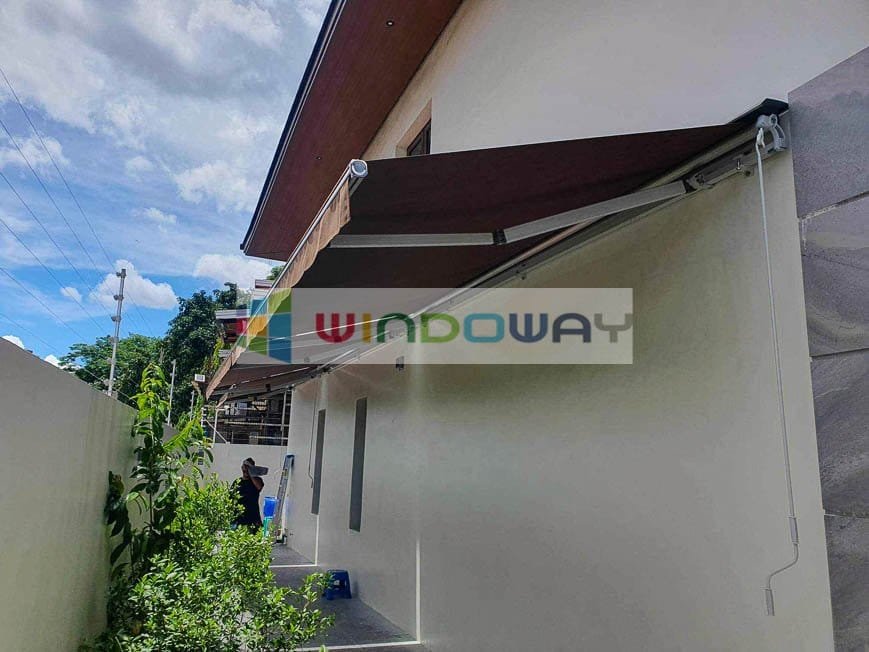
Ultimate Guide to Manual Awning Philippines 060925_15: Durable & Stylish Outdoor Solutions
Manual Awning Philippines 060925_15 In the heart of a tropical country like the Philippines and where intense sunlight and also unexpected rain showers are a daily reality of manual awnings offer an ideal and also practical solution for homeowners and business establishments. These traditional is hand-operated shade systems continue and to dominate outdoor decor thanks to their simplicity, affordability, and reliable function. At [Your Brand], we understand the growing need for customizable shading solutions, and that’s why our focus is to deliver the best manual awning options in the Philippines—tailored for residential and commercial spaces.
Top Benefits of Manual Awning Philippines 060925_15
1. Cost-Effective Sun and Rain Protection Manual Awning Philippines 060925_15
Manual awnings are significantly more affordable than motorized alternatives. Their simplicity makes them ideal for homeowners and who want shade without high installation and maintenance costs. The weather-resilient fabric used in these awnings ensures and also long-lasting protection against UV rays and rain.
2. Energy Efficiency
By reducing direct sunlight entering windows or doors of manual awnings can cut cooling costs by up to 25%. Shaded areas stay cooler by decreasing the need for air conditioning especially during the hot months from March to May.
3. Enhanced Aesthetic Appeal
Whether you choose striped by solid and or custom-colored designs by manual awnings add character to any space. Commercial establishments such as cafés and also retail stores use them to create a welcoming ambiance and also boost curb appeal.
4. Easy Operation
With a simple crank handle by users can control the extension and retraction manually by providing flexibility depending on the time of day or weather conditions. There are no electronics to malfunction also making them a reliable solution year-round.
5. Low Maintenance and Long Lifespan
Manual awnings are designed with high-quality aluminum frames and also mildew-resistant fabrics. This ensures they hold up well against the humid and salty air prevalent in coastal regions like Cebu, Palawan, and Davao.
Popular Types of Manual Awning Philippines 060925_15
1. Manual Awning Philippines 060925_15
These are the most common manual awnings. They use foldable arms that also extend outward and retract as needed. Ideal for patios and decks and they are both decorative and functional.
2. Drop Arm Awnings
Perfect for windows and balconies of these awnings use pivoting arms that drop the fabric at an angle. They provide excellent coverage from the harsh afternoon sun.
3. Fixed or Stationary Awnings
While not retractable, these manual systems are ideal for permanent protection. They work well over entryways and storefronts, especially in high-traffic areas.
4. Canopy Style Manual Awnings
Often used in commercial settings of canopy awnings come in elegant arched designs. They are excellent for branding and also display purposes.
How to Choose the Right Manual Awning in the Philippines
Material Durability
Always opt for UV-resistant and waterproof fabric like acrylic or polyester. The frame should be powder-coated aluminum and or galvanized steel to prevent corrosion.
Size and Coverage
Measure the space you want to shade. Custom-size awnings are also best for fitting tight corners or wide-open spaces in homes and commercial buildings.
Design and Color
Choose colors that complement your exterior palette. Stripes give a classic feel and while solids look more contemporary. Branded fabric is also an option for business use.
Wind and Rain Resistance
The Philippines faces regular typhoons and so it’s vital also to choose manual awnings with reinforced structures and angled drainage designs for heavy rains.
Installation Tips for Manual Awnings in the Philippines
-
Professional Installation: Always hire certified local technicians and to ensure proper alignment, tension and wall anchoring.
-
Location Assessment: Determine wind direction, sun exposure and also mounting height before installation.
-
Regular Inspections: Check bolts, fabric tension and also crank functionality every 6–12 months.
-
Seasonal Storage: During typhoon season of retract and secure your awning to avoid damage from strong winds.
- You can visit our facebook page